

Date Farming and Global Trade

Sustainability has become a defining principle in modern agriculture, and date farming is no exception. Dates are not only a staple food in many cultures but also a vital export commodity that connects local farmers to global markets. For a Pembekal kurma (date supplier), sustainable farming practices are more than just an ethical choice—they are a pathway to strengthening local communities and expanding international trade. This article explores how sustainable date farming supports livelihoods, preserves the environment, and enhances global commerce.
The Importance of Sustainable Date Farming
Sustainable farming ensures that agricultural practices meet present needs without compromising future generations.
Environmental Stewardship
Date palms thrive in arid regions, but unsustainable farming can deplete water resources and damage ecosystems. Sustainable practices, such as efficient irrigation and organic fertilization, protect the environment while maintaining productivity.
Economic Stability
By adopting sustainable methods, farmers reduce costs and increase yields, creating long-term economic stability for local communities.
Supporting Local Communities

Sustainable date farming directly benefits local communities by providing jobs, income, and cultural continuity.
Employment Opportunities
Date farming is labor-intensive, requiring workers for planting, harvesting, and processing. Sustainable farms often prioritize fair wages and safe working conditions, improving livelihoods.
Empowering Small Farmers
For small-scale farmers, sustainable practices reduce dependency on expensive chemicals and improve soil health. This empowers them to compete in local and global markets.
Pembekal Kurma and Community Development
A Pembekal kurma plays a crucial role in connecting farmers to consumers.
Building Trust
By sourcing from sustainable farms, suppliers build trust with customers who value ethical and environmentally friendly products.
Expanding Market Reach
Suppliers can promote sustainable dates as premium products, appealing to health-conscious and eco-conscious consumers worldwide.
Cultural Identity and Sustainable Farming
Dates are deeply embedded in cultural traditions, and sustainable farming preserves this heritage.
Kurma Mariami
Varieties like kurma mariami reflect regional identity and pride. Sustainable farming ensures that these traditional varieties continue to thrive, maintaining cultural connections.
Preserving Traditions
Sustainable practices often align with traditional farming methods, such as organic fertilization and natural pest control, preserving cultural heritage.

Global Trade and Sustainable Dates
Sustainable date farming strengthens global trade by meeting international standards and consumer expectations.
Meeting Export Standards
Sustainable farms often comply with certifications such as organic or fair trade, making their products more competitive in global markets.
Enhancing Reputation
Countries that prioritize sustainable farming build reputations as reliable exporters, increasing demand for their dates worldwide.
Kurma Online and Accessibility
Digital platforms have transformed how dates are marketed and sold.
Expanding Consumer Access
Through kurma online platforms, consumers can purchase sustainable dates directly from suppliers, increasing transparency and accessibility.
Promoting Sustainability
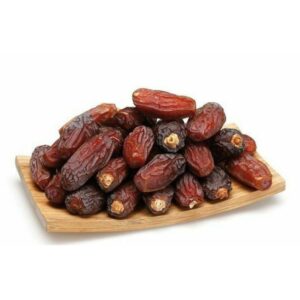
Online platforms allow suppliers to highlight sustainable practices, educating consumers and encouraging ethical purchasing decisions.
Environmental Benefits of Sustainable Date Farming
Sustainable farming practices protect ecosystems and promote biodiversity.
Water Conservation
Efficient irrigation systems, such as drip irrigation, reduce water usage while maintaining crop yields.
Soil Health
Organic fertilizers and crop rotation improve soil fertility, ensuring long-term productivity.
Economic Benefits for Farmers and Suppliers
Sustainability enhances profitability by reducing costs and increasing market demand.
Reduced Input Costs
By minimizing chemical use, farmers save money while improving soil health.
Premium Pricing
Sustainable dates often command higher prices in global markets, benefiting both farmers and suppliers.
Social Benefits for Communities
Sustainable farming fosters social cohesion and resilience.
Community Collaboration
Farmers often work together to share resources and knowledge, strengthening community bonds.
Education and Awareness
Sustainable farms invest in training programs, teaching farmers about eco-friendly practices and long-term benefits.
Challenges in Sustainable Date Farming
Despite its benefits, sustainable farming faces challenges.
Initial Investment
Transitioning to sustainable practices requires upfront investment in technology and training.
Market Competition
Farmers must compete with cheaper, non-sustainable products, making consumer education essential.
Solutions and Innovations

Innovations in technology and policy support sustainable farming.
Government Support
Subsidies and incentives encourage farmers to adopt sustainable practices.
Technological Advances
Smart irrigation systems and renewable energy sources reduce environmental impact and improve efficiency.
The Role of Pembekal Kurma in Global Trade
A Pembekal kurma bridges the gap between local farmers and international consumers.
Ensuring Quality
Suppliers ensure that dates meet international standards, enhancing competitiveness in global trade.
Promoting Sustainability
By prioritizing sustainable sourcing, suppliers contribute to global efforts to combat climate change and promote ethical trade.
Conclusion
Sustainable date farming is more than an agricultural practice—it is a holistic approach that supports local communities, preserves cultural heritage, and strengthens global trade. For a Pembekal kurma, embracing sustainability means building trust, expanding markets, and contributing to long-term prosperity. Varieties like kurma mariami highlight cultural identity, while platforms such as kurma online make sustainable dates accessible worldwide. By investing in sustainable farming, communities secure livelihoods, protect the environment, and ensure that dates continue to nourish both local traditions and global commerce for generations to come.