

Discover Buah Kurma: Health Benefits & Anti-Inflammatory Potential
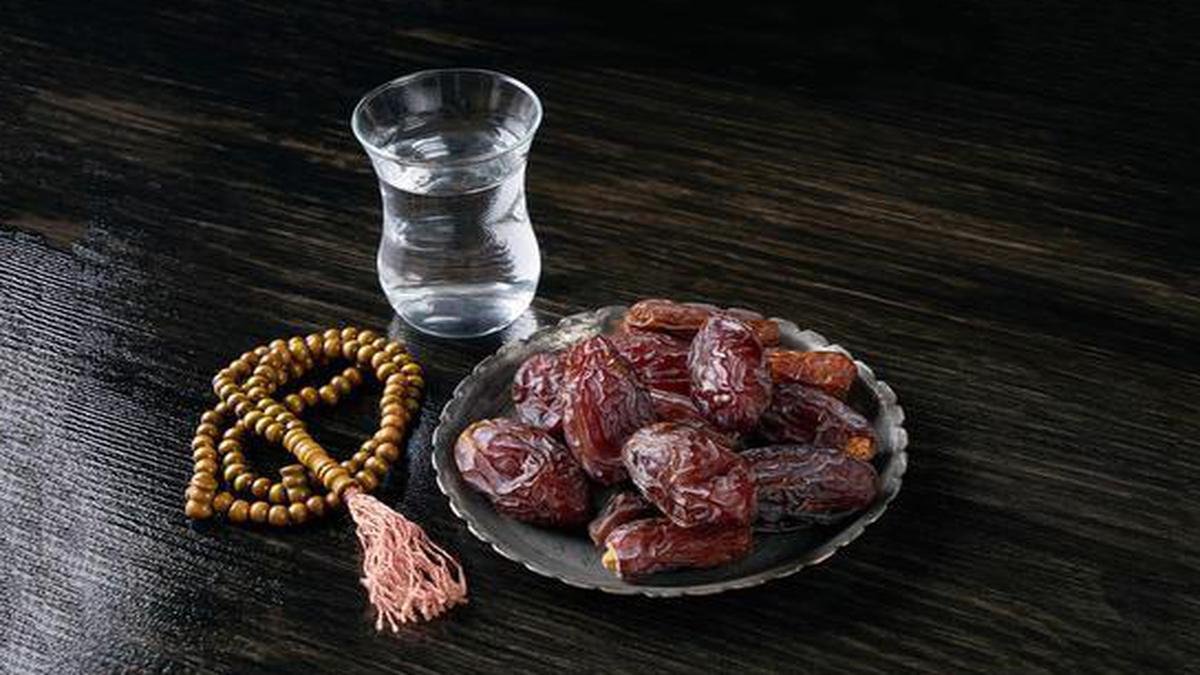
Discover Buah Kurma: Health Benefits & Anti-Inflammatory Potential
Introduction
Buah Kurma, also known as dates fruit, is a fruit that’s been eaten for centuries and travels well as a snack or a cooking ingredient. This post looks at what’s actually in Buah Kurma and the practical ways it’s used.
The nutrient profile of Buah Kurma
Buah Kurma is not only a delicious treat but also a genuinely nutrient-dense one. It carries vitamins, minerals, and fiber, and its natural sugars make it a straightforward alternative to refined sugar in recipes. It also contains antioxidant compounds such as flavonoids and phenolic acids, the same broad class found in many other fruits.
To purchase high-quality dates, you can read more here. For current pricing across varieties, our Harga Kurma price guide is a useful starting point.
How dates are studied
Inflammation is a normal part of how the body responds to injury or infection, and it’s a topic food researchers look at across many fruits, not just dates. If you want to go deeper on that research, Kurma Murah has a rundown of the studies — this post sticks to what’s known and useful for buying and eating dates rather than making treatment claims.
Incorporating Buah Kurma into your diet
Here are a few practical ways to use it:
1. Enjoy as a snack
Buah Kurma is a convenient snack on its own. Grab a handful for a quick energy top-up during the day.
2. Add to smoothies
A few dates add natural sweetness and a creamy texture to a smoothie without needing added sugar.
3. Use in baking
Replace refined sugar with mashed dates in baked goods. Dates add moisture and sweetness to the mix.
4. Create date energy balls
Blend dates with nuts and seeds for an easy on-the-go snack — see our guide on sourcing quality Medjool dates if that’s the variety you’re after.
What’s actually in Buah Kurma
Key highlights
- Buah Kurma (dates fruit) is a nutrient-dense fruit — fiber, potassium, magnesium, vitamin B6, iron and natural sugars.
- It also carries antioxidant compounds such as flavonoids and phenolic acids.
- You can enjoy Buah Kurma as a snack, in smoothies, baking, or blended into energy balls.
- It works as a natural sweetener and a versatile ingredient beyond just snacking.
- Bunch weight, freshness and variety all affect price — worth comparing before buying in bulk.
Conclusion
Buah Kurma earns its place in a Malaysian pantry through taste and versatility as much as anything else — a fruit that works as a snack, a baking ingredient, and a natural sweetener. Compare varieties and prices before buying in bulk, and it goes a long way as a pantry staple.