

Olive Oil Benefits Our Skin
Olive oil is one of the oldest processed foods still in daily use. Egyptians were pressing olives for oil roughly 5,000 years ago, and it moved from the kitchen to the vanity table early — Cleopatra is recorded as having used it on her skin, long before anyone called it a “beauty oil.”
What’s actually in the bottle
Olive oil is close to 98-99% triglycerides — fatty acid chains bound to a glycerol molecule, roughly 20 different fatty acid types in total. What sets it apart from other cooking oils is how much of that fat is oleic acid, a monounsaturated fat that makes up most of olive oil’s structure. Oleic acid is also why olive oil resists going rancid longer than oils higher in polyunsaturated fat, and why it stays liquid at room temperature instead of solidifying like coconut or palm oil.
Kurma Piarom comes from the same part of the world where olive oil has always been a kitchen staple — Iran and the wider Middle East have grown both olives and dates for millennia, often from trees a few fields apart.
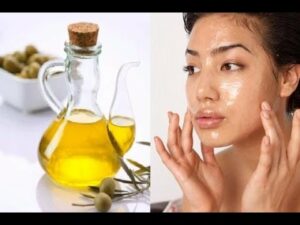
On skin, specifically
The same oleic-acid-heavy structure that makes olive oil stable in the kitchen makes it a decent emollient on skin — it sits on the surface and slows moisture loss, which is why it turns up in soaps and body oils. It’s thicker than lighter oils like almond or grapeseed, so it can feel heavy or sit on top rather than absorb, especially on oily skin. A small patch on your forearm for a day tells you more than any product description will.
What determines the quality
How much oleic acid ends up in a given bottle depends on the olive variety and the weather that season — it’s not a fixed number, which is part of why olive oil varies so much bottle to bottle even from the same region. Cold-pressed, unrefined oils keep more of the original fatty acid profile intact than oils that have been heat-processed.
See our date range or the About Us page for sourcing, and Contact Us for wholesale enquiries.