

Benefits of a vegan diet
A vegan diet means no meat, dairy, eggs or honey — everything on the plate comes from plants. That single rule changes what a person eats for breakfast (oats and fruit instead of eggs), what goes in a curry (lentils or tofu instead of chicken), and what counts as a snack.
The nutrients that need the most attention on a vegan plate are B12, iron, calcium, zinc and omega-3. None of these come with a warning label — they’re just harder to hit without meat and dairy in the mix, so a vegan diet takes a bit more planning than a standard one, not less.
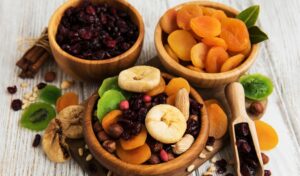
Dates fruits are one of the easiest plant foods to build a snack routine around: no prep, no fridge required, and they travel well in a bag or desk drawer. A handful (about 3-4 dates) covers roughly 18g of carbohydrate, 2g of fibre and a useful dose of potassium — a fast, portable top-up between meals rather than a full meal replacement.
For B12, the only reliable source on a vegan diet is fortified food or a supplement — no plant naturally carries it in a usable form. Iron absorption improves when iron-rich plant foods (lentils, spinach, dates) are eaten alongside vitamin C, such as citrus or bell pepper, in the same meal.
Calcium doesn’t have to come from dairy: tofu set with calcium sulphate, fortified plant milk, and dark leafy greens like kale all carry meaningful amounts. Zinc shows up in pumpkin seeds, chickpeas and cashews — soaking or sprouting legumes overnight improves how much the body actually absorbs.
A simple way to start: swap one meal a day for a plant-based version, keep dates and nuts on hand for the snack gap, and build up from there rather than switching everything at once. Browse dates fruits and other healthy foods for ideas on stocking a plant-based pantry.