
How do you satisfy the desire to eat sweets?
A sweets craving isn’t really about willpower most of the time — it’s about what you ate two hours ago. A carb-heavy snack with no protein or fat burns off fast and leaves you hungrier than before, which is exactly when the craving hits.
Why the craving keeps coming back
Sweet is the taste people respond to first, from childhood. That’s not a flaw to fix, it’s just how taste works. The problem isn’t liking sweet food — it’s reaching for it on an empty stomach, when a small craving turns into a large one because nothing else is in your system to slow it down.
What actually helps
Eating on a schedule matters more than any single swap. A gap of five or six hours between meals is when cravings get loudest, so eating something every three to five hours — with some protein or fibre in it, rather than plain carbs — keeps blood sugar steadier and the craving smaller when it does show up.
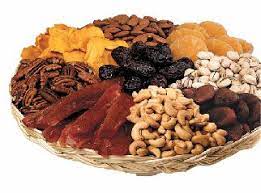
When the craving does hit, whole fruit works better than it gets credit for. Dates fruits carry natural sugar plus fibre, so they satisfy the sweet-tooth part of a craving without the crash that follows a candy bar. A small portion — three or four — is usually enough, because they’re dense and chewy rather than something you can eat a handful of without noticing.
A few other things that work, in no particular order: keeping a smaller portion of your actual favourite instead of substituting something you don’t really want; taking a short walk when the urge hits, since it often passes in ten minutes; and not going cold turkey unless that specific approach has worked for you before — most people do better cutting down gradually than swearing off sugar entirely on day one.
The one habit that matters most
Skipping meals to “save” calories is the single biggest driver of sweet cravings later in the day. Eat breakfast, eat lunch, and the 4pm craving mostly takes care of itself. The shop stocks a few varieties if dates are going to be your regular swap.